AG-SAP as water retention

The SAP is working as water-retaining agent and is applied to the root system of the plant.

After rainfall or irrigation, SAP absorbs and preserves the excess water in the soil, including water-soluble fertilizers, to form a large number of underground “mini-reservoirs”, which are slowly released when the plants need it.

In this way, it can not only ensure the water required for the normal growth of plants, but also prevent the water from being wasted due to evaporation, leakage and loss, and keep the soil moist for a long time.

It can absorb and release water repeatedly, which can be used by plants slowly.

How Ag-SAP works?

Ag-SAP can be used as water retaining agent in agriculture and won’t cause soil salinization. It does not ‘bind’ water tightly. The potassium polyacrylate granules release just the right amount of water in response to a plant’s root suction. There is no waterlogging or other ill effects caused by ‘free’ water filling air cavities in the soil.

Ag-SAPmaximizes plant growth by reducing plant stress. It also absorbs and releases soil nutrients, water-soluble fertilizer and chemicals in the same manner as water, creating a healthy microenvironment in the plant root zone.

The result is faster germination, quicker emergence of seeds, consistent growth and higher, better-quality yields of edibles with less water and fewer inputs.

As a soil amendment, Ag-SAP can improve the soil water holding capacity.

Benefits of Photosynthetic bacteria

Strengthen crop photosynthesis, improve soil organic matter and fertilizer utilization rate, purify soil nitrate content caused by excessive chemical fertilizer, improve soil structure, promote crop absorption of various nutrients in soil, and promote nitrogen-fixing bacteria, rhizobia and other beneficial bacterial growth, increasing soil fertility;

Increase the chlorophyll content of plants, promote plant growth, improve crop quality, increase crop sugar content, promote fruit surface light, increase sugar and color, improve the quality of fruits and vegetables, and enhance soil activity;

Detoxification, can decompose the phytotoxicity and fertilizer damage in the soil;

It is used in aquaculture as a feed additive to promote animal intestinal peristalsis, purify manure, purify the water quality of shrimp ponds and fish ponds, improve the hatching survival rate of fish and shrimp fry by more than 60%-70%, greatly improve the growth rate of fish and shrimp, and purify Green algae and water quality in lotus root pond.

Good deodorization effect on toilets, sewers, etc.

Photosynthetic bacteria

Photosynthetic bacteria are the main bacteria that promote the growth of animals and plants in fertile soil. Under the action of sunlight, photosynthetic bacteria can use inorganic substances to grow autotrophically, and can also use organic substances to grow heterotrophically.

Root application can change the ion state of inorganic and organic matter in the soil, at the same time it can purify the water quality of fish ponds and shrimp ponds in aquaculture, kill harmful bacteria in the water, and improve the hatching survival rate of fish and shrimp fry by more than 60%-70%.

It is a new generation of photosynthetic bacteria fertilizer.

Applications of Beauveria Bassiana

CropsTargetsApplication way & dosage
ChivesLeek MaggotSpread 90-120g/mu (30billion WP)
CitrusRed spiderSpray 500-1500 times diluted (10billion OD)
TomatoTrialeurodes
vaporariorum
(Westwood)
Spray 40-80ml/mu
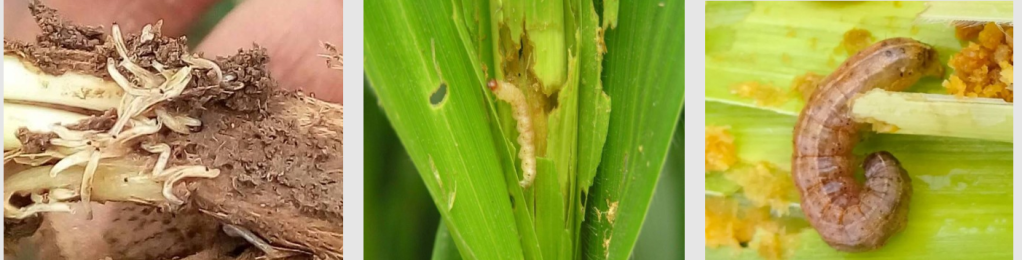
CornSpodoptera frugiperdaSpray 45-60g/mu (30billion WP)
40-80ml /mu (10billion OD)
CornCorn borerSpray 100-120g/mu (30billion WP)
ForestAmerican White MothSpray 1200-2000 times diluted (30billion WP)

Formulation Types:

1×10^10 spores/ml OD

3×10 ^10 spores/g WP