
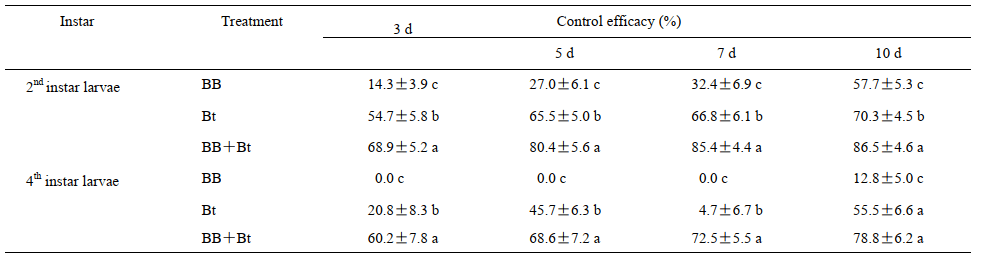
BB-Beauveria Bassiana
Integrated Pest Management (IPM) is an effective and environmentally sensitive approach to pest management that relies on a combination of common-sense practices. IPM programs use current, comprehensive information on the life cycles of pests and their interaction with the environment.
This information, in combination with available pest control methods, is used to manage pest damage by the most economical means, and with the least possible hazard to people, property, and the environment.
HLB-Huanglongbing, other names yellow dragon disease or citrus greening is the world’s deadly diseases of citrus.
What HLB detection reagent can help?
➢ To find HLB trees at earlier stage, to save cost for farmers;
➢ To distinguish HLB from other disease caused by lack of element or nematode attack.

National and international quarantines are critical to minimize the potential of long-distance dissemination. Integrated pest management strategies are needed such as:
Huanglongbing has a complex pathosystem (an ecosystem based on parasitism). There are multiple strains, diverse hosts, several insect vectors, and different environmental conditions that affect the expression and spread of the disease. Three forms of the disease are known (Asian, African, and American), and these are associated with different species and strains of Liberibactors that are disseminated by different species of citrus psyllid insect vectors.
Vectors of the Liberibacters include citrus psyllids Diaphorina citri and Trioza erytreae. Huanglongbing can also be spread by grafting. Transmission can occur in the nursery and in the orchard.
Non-citrus hosts have been identified as alternate hosts for the Liberibacters and the citrus psyllids, but their role is still unclear in the epidemiology of the disease.
Huanglongbing (HLB) is a major disease of citrus that has caused catastrophic damage to citrus trees worldwide. The disease causes reduced fruit quality and yield, tree decline, and eventual tree death.
Symptoms are variable and can resemble several disorders of citrus. Typical symptoms include:
Defoliation, fruit drop, and shoot dieback occurs in more advanced stages. Young trees may die soon after infection; whereas older trees may die in seven to nine years after infection.
Fruit symptoms include small, misshaped fruit that are lopsided or asymmetrical and exhibit color inversion from yellow to orange to green on the peduncle side while remaining green on the stylar end. The vascular tissue is brownish at the peduncle side of fruit. Seeds of affected fruit are small, brown, and aborted.
Bacillus, (genus Bacillus), any of a genus of rod-shaped, gram-positive, aerobic or (under some conditions) anaerobic bacteria widely found in soil and water. The term bacillus has been applied in a general sense to all cylindrical or rodlike bacteria.
The largest known Bacillus species, B. megaterium, is about 1.5 μm (micrometres; 1 μm = 10−6 m) across by 4 μm long. Bacillus frequently occur in chains.

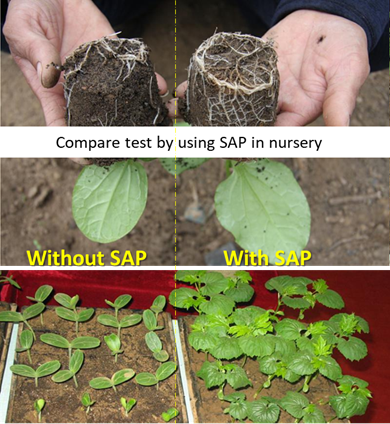
Click AG-SAP to know more.
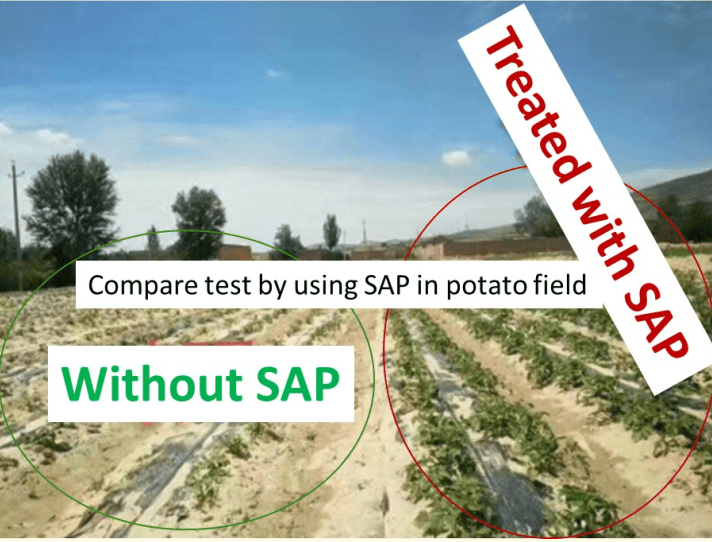
Click AGSAP to know more.

 lin-chemical.com