APPLICATIONS & DOSAGE OF LIN-COS?

Applications of LIN-COS can be in new biological fertilizers (plant growth regulator, foliar fertilizer, flushing fertilizer, seed coating agent) and biological pesticides,etc.

Dosage for Chitosan oligosaccharide 5% SL 

CropsApplication WayDosage
PotatoSeed treatment500ml/1000kg Potato
PotatoSprayDilute 750-1000 times
MangoSprayDilute 750-1000 times
WatermelonSprayDilute 750-1000 times
LitchiSprayDilute 750-1000 times
OrangeSprayDilute 750-1000 times

Why using LIN-COS?

  • LIN-COS is agriculture grade of chitosan oligosaccharide,
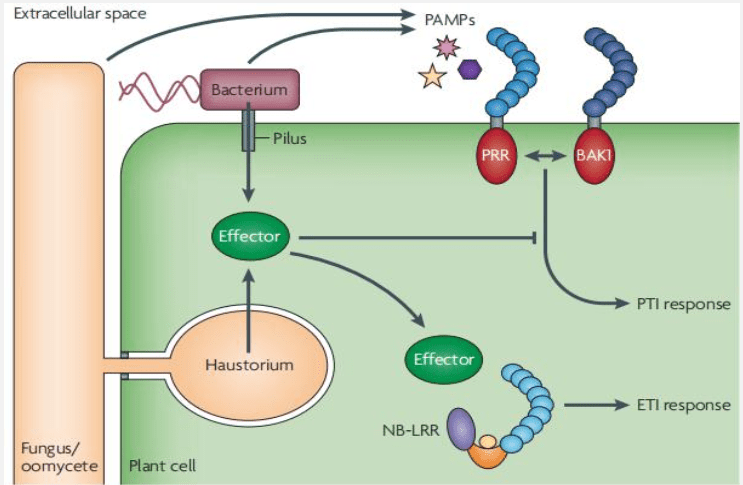
  • Plant responds to infection using an innate immune system.
  • LIN-COS is a natural biomacromolecular that can significantly trigger plant innate immune system.
  • LIN-COS, as one of the most important elicitors, has been proved to elicit plant defense response to a broad spectrum of phytopathogens-virus, fungus and bacteria.
Plant immunity

What is LIN-COS?

LIN-COS is Chitosan Oligosaccharide, also known as chitosan oligosaccharide and oligochitosan, is a kind of polymerization degree obtained by degrading chitosan by special biological enzyme technology The oligosaccharide product with a molecular weight of ≤3200Da is a low molecular weight product with good water solubility, large functional effect and high biological activity. It has higher solubility than chitosan, is completely soluble in water, and is easily absorbed and utilized by organisms. It has 14 times of its function as chitosan.

Chitooligosaccharides are the only positively charged cationic basic aminooligosaccharides in nature and are animal cellulose.

Plant responds to infection using an innate immune system.

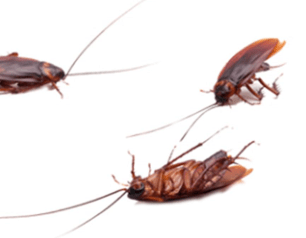
Infection mechanism of Metarhizium anisopliae in cockroach

Metarhizium anisopliae is a fungal insecticide, and conidia is the effective component of its insecticidal activity.

When conidia contacting and attaching to cockroach, it germinates and penetrates the cockroach body walls; then invades into the body, grows and reproduces rapidly in the blood of the cockroach, and compete for the nutrients with the tissues of cockroach, making them weak and stop feeding.

At later stage, the fungi secretes toxins, which affects the central nervous system of cockroach, destroys its various organs, and dehydrates its tissues, then causes death of cockroach.

The hyphae of Metarhizium anisopliae in the dead cockroach extend through the internode membrane and produce conidia.

The conidia continue to infect other pest individuals through contact infestation or air-borne and wind diffusion, and form repeated infestation in the roach population.


Broad Spectrum of Metarhizium anisopliae

Metarhizium anisopliae prevents and controls many species of Agricultural & Forest insect pests and sanitary insect pests

On cereal crops, such as rice, wheat, corn and potato, etc.
– to control rice stem borer, rice leaf roller, rice planthopper, wheat aphid, corn borer, fall armyworm, armyworm, potato underground insect pest, etc.


On Fruit trees, such as apple, citrus, pear, peach, Longan, lichee, mango, red date, pomegranate, blue berry, grape, cherry, etc.
– to control psyllid, scale insects, aphid, leaf roller, fruit borer, etc..


On Vegetables: Solanaceae, cucurbita, leafy veg, root veg, etc.
– to control thrips, white flies, aphids, Diamond back moth, cabbage moth, cabbage Spodoptera litura, underground insect pests, etc.


On Cash Crops: sorghum, cotton, peanut, sugarcane, soybean, Sichuan pepper, etc.
– to control underground pests, cotton bollworm, sugarcane borer, bean borer, aphid, etc.


On Chinese medicinal herbs: biloba, RADIX CODONOPSIS, Milkvetch Root, wolfberry, ginseng, pseudo-ginseng, bletilla striata, etc.
– to control underground insect pests, grub, aphid, thrip, beetle, etc.


Horticulture (flower), forest, grassland:
– to control aphids, thrips, underground pests, longicorn, pine caterpillars, grasshopper, etc.


Public health insect Pests:
-to control cockroach, flea, mosquito, larvae, flies, maggot, etc.

Dosage of Metarhizium anisopliae OD formulation for spraying in different ways

Manual Spray
Dilute the OD product( 900-1,200 mL/ha) in 450-675 L of water, spray the dilution to the plant parts where insect pest inhabits and infest above ground.


Mechanical Spray
Dilute the OD product( 900-1,200 mL/ha ) in 450-675 L of water, spray the dilution to the plant parts where insect pest inhabits and infest above ground.


Drone Spray
Dilute the OD product( 900-1200 mL/ha) in 15-22.5L of water, spray the dilution to the crop plants 2-3 meters above the plants.

Usage of Metarhizium anisopliae

Treated parts of crop plant:
Focus spraying to plant parts where pests inhabit.
Rice leaf roller: Spray to upper part of plants; Rice planthopper: Spray to lower part of plants
For thrips: Spray to flowers and withered flowers
Underground pests: broadcast application of CQMa421 granular in the field when ploughing field; and furrow and hole
application before sowing , depends on the distribution of underground pests on various crops.


Recommended volume of pesticide suspension for appication.
The minimum volume of pesiticide suspension for effective spraying to key parts! Tea trees: 60-90 L/667M2 recommended.

Application period: It is good to spray at early stage of pest larvae, and its control index for pest could be 1/5 – 1/3 of that by chemical pesticides.

Application time: when pests attack plants, apply it in cloudy days or in late afternoon, avoiding strong sunshine. Repeated
spraying needed when it heavyly rains within 24 hours after previous application (But no need for repeating spray when drizzling). To kill thrips apply spraying before flowers closed (before 10 a.m.) (Adding a little black sugar in  Metarhizium anisopliae dilution could improve its efficacy to kill thrips)

Application Frequency:
Similarly frequent as chemical pesticides, when pest population grows slowly;
7 days after the 1st application, the 2nd application needed when the pest population grows fast.

Precautions: forbidden to use in silkworm mulberry garden; avoid to use granules in drought soil condition. (Drought soil means its moisture is less than 15%)