Farm to Fork

Within the framework of the Green Deal, the European Commission launched in May 2020 the EU Farm to Fork Strategy that aims to ensure a sustainable food value chain. Sustainable agriculture and sustainable fishery within Protected Areas can be a model to provide safe, nutritious and high quality products. Protected Areas can play an important role to implement the EU Farm to Fork Strategy. 

The Farm to Fork Strategy aims to accelerate our transition to a sustainable food system that should:

  • have a neutral or positive environmental impact
  • help to mitigate climate change and adapt to its impacts
  • reverse the loss of biodiversity
  • ensure food security, nutrition and public health, making sure that everyone has access to sufficient, safe, nutritious, sustainable food
  • preserve affordability of food while generating fairer economic returns, fostering competitiveness of the EU supply sector and promoting fair trade
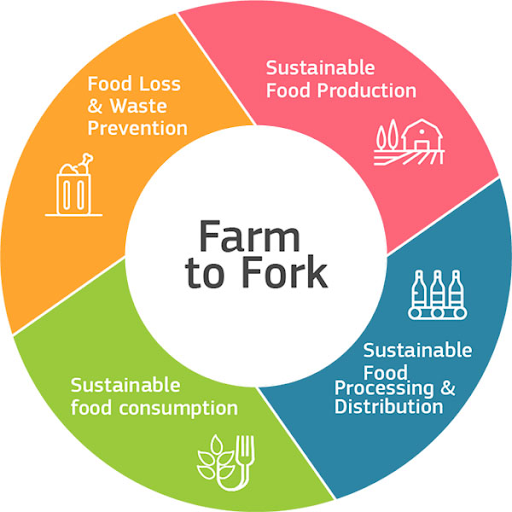
© European Commission
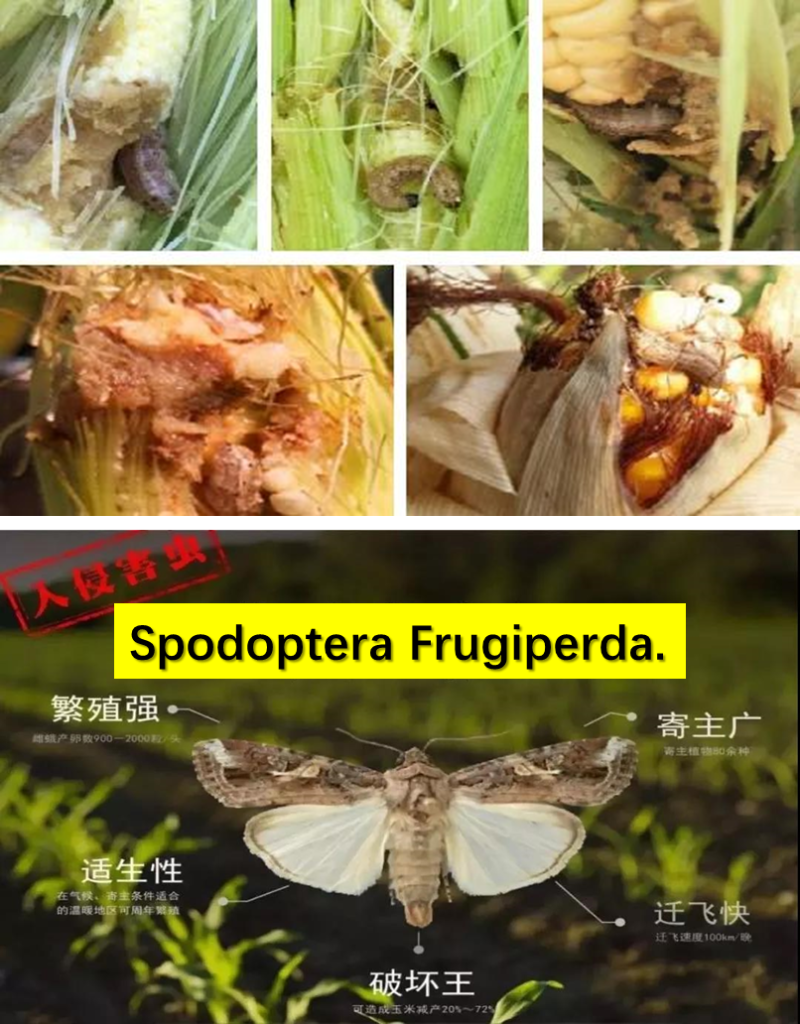
Products recommended for controlling Spodoptera Frugiperda.

Single component:
Emamectin benzoate、 Indoxacarb、tetrachlorantraniliprole、 chlorantraniliprole、 Lambda-cyhalothrin、 Cyfluthrin、 Fenpropathrin、 Deltamethrin 、 acephate、 lufenuron、 chlorfenapyr、 Mamestra brassicae multiple NPVbacillus thuringiensismetarhizium anisopliaebeauveria bassiana、 empedobacter brevis、Spodoptera Frugiperda sex pheromone

Mixture:
Emamectin benzoate+Indoxacarb 、 Emamectin benzoate + Hexaflumuron、 Emamectin benzoate +Lambda-cyhalothrin 、 Emamectin benzoate +Chlorfenapyr 、 Emamectin benzoate + Lufenuron 、 Emamectin benzoate + Tebufenozide 、 Chlorantraniliprole+Lambda-cyhalothrin 、 Diflubenzuron+Lambda-cyhalothrin.

APPLICATIONS & DOSAGE OF LIN-COS?

Applications of LIN-COS can be in new biological fertilizers (plant growth regulator, foliar fertilizer, flushing fertilizer, seed coating agent) and biological pesticides,etc.

Dosage for Chitosan oligosaccharide 5% SL 

CropsApplication WayDosage
PotatoSeed treatment500ml/1000kg Potato
PotatoSprayDilute 750-1000 times
MangoSprayDilute 750-1000 times
WatermelonSprayDilute 750-1000 times
LitchiSprayDilute 750-1000 times
OrangeSprayDilute 750-1000 times

Why using LIN-COS?

  • LIN-COS is agriculture grade of chitosan oligosaccharide,
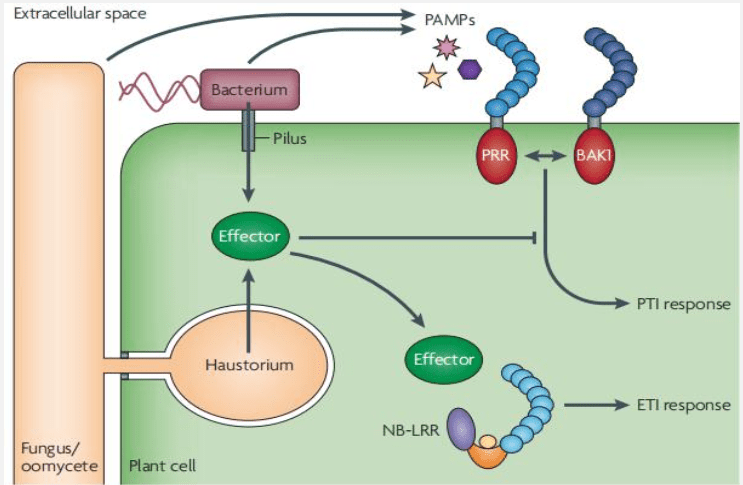
  • Plant responds to infection using an innate immune system.
  • LIN-COS is a natural biomacromolecular that can significantly trigger plant innate immune system.
  • LIN-COS, as one of the most important elicitors, has been proved to elicit plant defense response to a broad spectrum of phytopathogens-virus, fungus and bacteria.
Plant immunity

What is LIN-COS?

LIN-COS is Chitosan Oligosaccharide, also known as chitosan oligosaccharide and oligochitosan, is a kind of polymerization degree obtained by degrading chitosan by special biological enzyme technology The oligosaccharide product with a molecular weight of ≤3200Da is a low molecular weight product with good water solubility, large functional effect and high biological activity. It has higher solubility than chitosan, is completely soluble in water, and is easily absorbed and utilized by organisms. It has 14 times of its function as chitosan.

Chitooligosaccharides are the only positively charged cationic basic aminooligosaccharides in nature and are animal cellulose.

Plant responds to infection using an innate immune system.

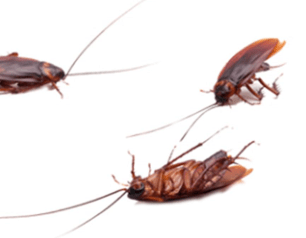
Infection mechanism of Metarhizium anisopliae in cockroach

Metarhizium anisopliae is a fungal insecticide, and conidia is the effective component of its insecticidal activity.

When conidia contacting and attaching to cockroach, it germinates and penetrates the cockroach body walls; then invades into the body, grows and reproduces rapidly in the blood of the cockroach, and compete for the nutrients with the tissues of cockroach, making them weak and stop feeding.

At later stage, the fungi secretes toxins, which affects the central nervous system of cockroach, destroys its various organs, and dehydrates its tissues, then causes death of cockroach.

The hyphae of Metarhizium anisopliae in the dead cockroach extend through the internode membrane and produce conidia.

The conidia continue to infect other pest individuals through contact infestation or air-borne and wind diffusion, and form repeated infestation in the roach population.