
Liquid with 200kg/drum
1-50billion/ml
Powder with 25kg/bag
20-100billion/g
Liquid with 200kg/drum
1-50billion/ml
Powder with 25kg/bag
20-100billion/g
Bacillus amyloliquefaciens can produce low molecular weight antibiotics, antibacterial proteins or polypeptides and other active substances in the process of growth and reproduction, and can simulate tomato leaf mold, early blight, gray mold; cucumber, melon fusarium wilt, anthracnose, pepper late blight and other harmful bacteria.
By metabolizing cellulase, protease and small molecular organic acid, Bacillus amyloliquefaciens can decompose soil organic matter, activate insoluble phosphorus and potassium and other potential nutrients, improve crop rhizosphere micro-ecological environment, and improve soil fertility.
Bacillus amyloliquefaciens can induce plants to secrete endogenous hormones rapidly such as gibberellin, indole acetic acid, cytokinin, etc., promote plant root growth, and enhance plant disease resistance.

Metarhizium anisopliae OD 600ml/ha+ 0.6% matrine SL 1500ml/ha
Control effect: It has obvious control effect on small green leafhopper, and the control effect is over 78% after 7 days of investigation, and it is friendly to natural enemies in the field.
Within the framework of the Green Deal, the European Commission launched in May 2020 the EU Farm to Fork Strategy that aims to ensure a sustainable food value chain. Sustainable agriculture and sustainable fishery within Protected Areas can be a model to provide safe, nutritious and high quality products. Protected Areas can play an important role to implement the EU Farm to Fork Strategy.
The Farm to Fork Strategy aims to accelerate our transition to a sustainable food system that should:
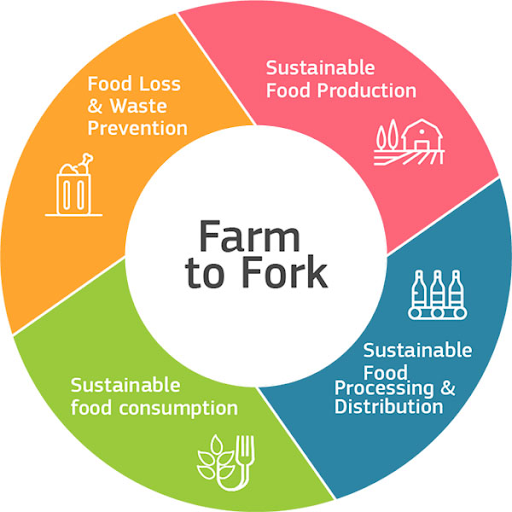
© European Commission
Single component:
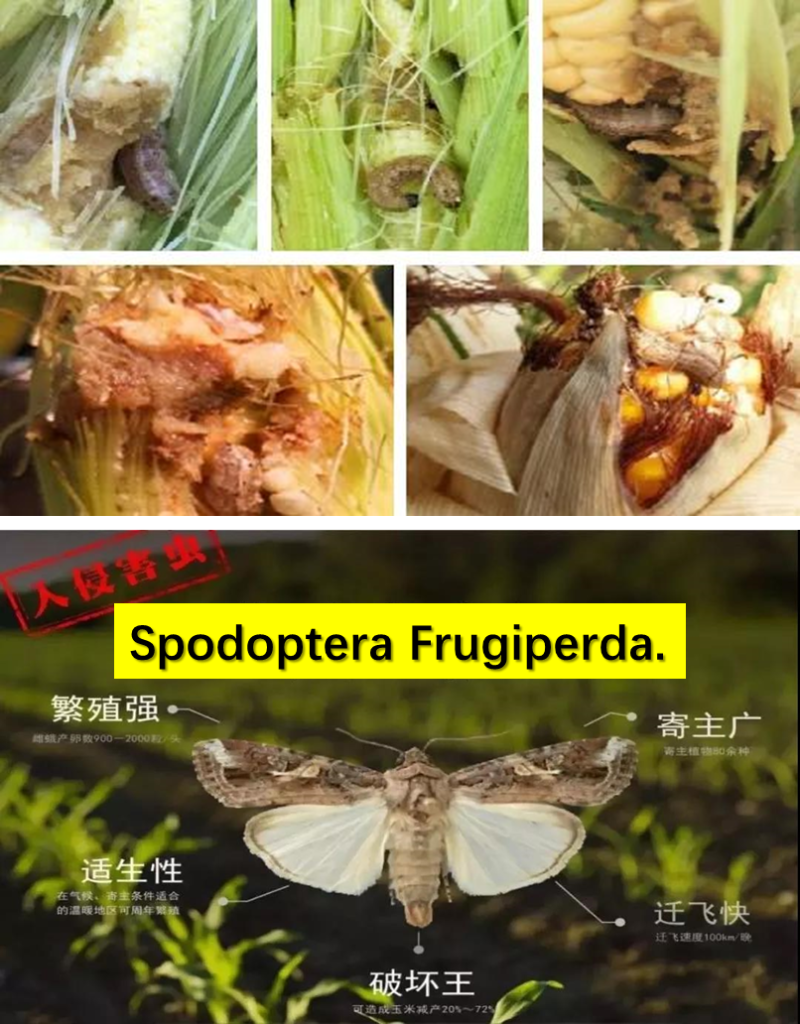
Emamectin benzoate、 Indoxacarb、tetrachlorantraniliprole、 chlorantraniliprole、 Lambda-cyhalothrin、 Cyfluthrin、 Fenpropathrin、 Deltamethrin 、 acephate、 lufenuron、 chlorfenapyr、 Mamestra brassicae multiple NPV、 bacillus thuringiensis、metarhizium anisopliae、 beauveria bassiana、 empedobacter brevis、Spodoptera Frugiperda sex pheromone
Mixture:
Emamectin benzoate+Indoxacarb 、 Emamectin benzoate + Hexaflumuron、 Emamectin benzoate +Lambda-cyhalothrin 、 Emamectin benzoate +Chlorfenapyr 、 Emamectin benzoate + Lufenuron 、 Emamectin benzoate + Tebufenozide 、 Chlorantraniliprole+Lambda-cyhalothrin 、 Diflubenzuron+Lambda-cyhalothrin.

COS(Chitosan oligosaccharide) 3000 times liquid (5g mixed with water 15kg) has a short duration of effect, but it is quick and non-toxic, and has dual biological regulation functions of medicinal and fertilizer effects. It can also promote the growth of strawberries while inhibiting powdery mildew.


Applications of LIN-COS can be in new biological fertilizers (plant growth regulator, foliar fertilizer, flushing fertilizer, seed coating agent) and biological pesticides,etc.
Dosage for Chitosan oligosaccharide 5% SL
| Crops | Application Way | Dosage |
| Potato | Seed treatment | 500ml/1000kg Potato |
| Potato | Spray | Dilute 750-1000 times |
| Mango | Spray | Dilute 750-1000 times |
| Watermelon | Spray | Dilute 750-1000 times |
| Litchi | Spray | Dilute 750-1000 times |
| Orange | Spray | Dilute 750-1000 times |
 lin-chemical.com