What is Trichoderma?

Trichoderma” is the Latin name for a genus of fungi that are present in all types of soils. A recent Soil Science Society of America’s (SSSA) Soils Matter blog explores these fascinating fungi and how scientists have found that applying captured Trichoderma on farm fields can help crops.

According to soil scientist and blogger Lovepreet Singh, Trichoderma is present naturally in the soil and it has been isolated by scientists in the lab. It is a filamentous fungus, and it belongs to group Deuteromycetes which means it reproduces by producing spores.

By Soil Science Society of America

Benefits offered by Trichoderma

Benefits offered by Trichoderma
Several strains of Trichoderma produce various “secondary metabolites.” Compounds like epipolythiodioxopiperazines, peptaibols, pyrones, and pyridones help in plant development and promotes plant growth. When the fungus colonizes the plant roots, the plant develops more robust roots. Trichoderma has effects on physical attributes of the plants, and effects how it grows and metabolizes nutrients – its physiology. This can lead to better yield and quality of the produce.

Seed treatment with Trichoderma leads to better germination of plants and more and healthier plants in the field.

The most important benefit from the fungus is its ability to fight diseases caused by other microbes. Trichoderma shows antagonistic interactions with other pathogens by various mode of actions, and it saves plant from dying.

One way Trichoderma fights is by attacking the other fungus. It is known to coil around the other fungus and penetrate cells of other fungus. It can also secrete harmful chemicals for the fungus, and steal nutrients from it. This eventually kills the other fungus. Other mode of actions is competing with pathogens for resources and releasing chemicals into environment which inhibits growth of pathogens.

Using fungi like Trichoderma is an alternative to pesticide use. This is called a biological control method.

By Soil Science Society of America|July 19, 2022

What is Allylisothiocyanate?

Allylisothiocyanate (AITC, CAS No.: 57-06-7), also known as horseradish, is a natural compound extracted from cruciferous plants, and its active ingredients are environmental friendly.

Allylisothiocyanate has effective control on soil nematodes, soil-borne pathogens and a variety of pests and diseases on the ground during the growth of vegetables and field crops.

Allylisothiocyanate has been used in many industries, including food flavoring, bactericidal and antibacterial, antiseptic and preservatives, health care and anticancer drugs, as well as soil sterilization and deworming, grain storage, warehouse deworming, antiseptic, building fumigation, and fumigant for phytosanitary treatment.

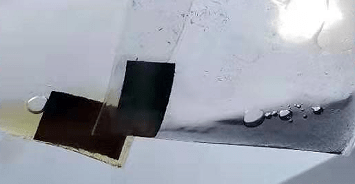
Result of HLB detection

After test when you see the test drugs tunring into black like on the right in above picture then the leave already infected by HLB.

If the drus showing other colors like yellow, then it’s not infected by HLB, the yellow leaves might caused by lack of elements, or there are some underground pests like nematode which blocks the transportation of nutrients absobed by roots.

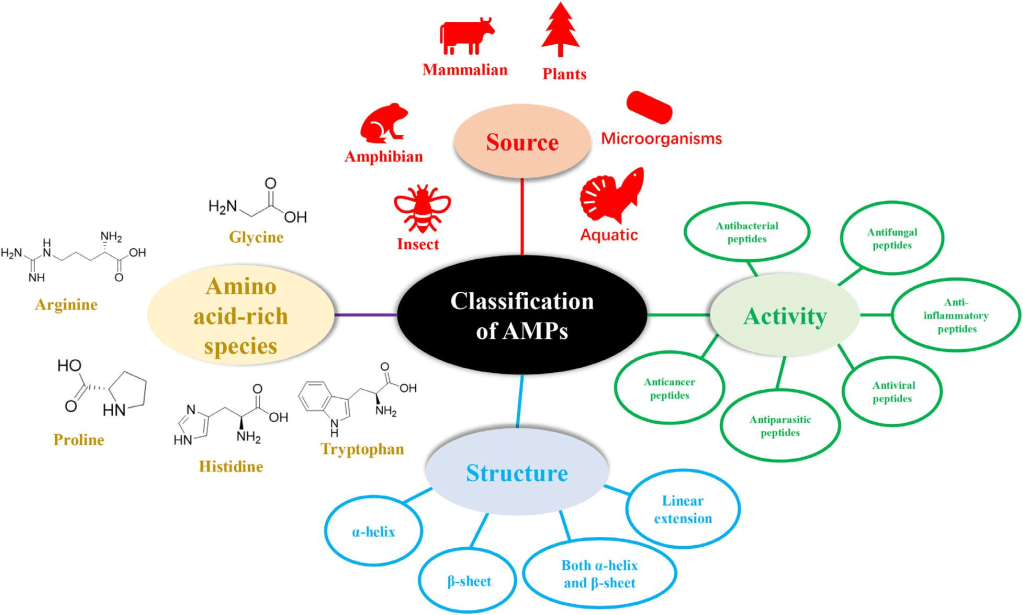
Antimicrobial peptides (AMPs)

Antimicrobial peptides (AMPs) are a class of small peptides that widely exist in nature and they are an important part of the innate immune system of different organisms.

AMPs have a wide range of inhibitory effects against bacteria, fungi, parasites and viruses.

The emergence of antibiotic-resistant microorganisms and the increasing of concerns about the use of antibiotics resulted in the development of AMPs, which have a good application prospect in medicine, food, animal husbandry, agriculture and aquaculture.

Classification of antimicrobial peptides.

Source from  https://doi.org/10.3389/fmicb.2020.582779

The Asian citrus psyllid

The Asian citrus psyllid (ACP; Hemiptera: Psyllidae) is a tiny (0.125 inch, 3 mm, in length) mottled brown insect that is about the size of an aphid. The adult psyllid feeds with its head down, almost touching the leaf, and the rest of its body is raised from the surface at a 45-degree angle with its tail end in the air. No other insect pest of citrus positions its body this way while feeding.

Adults typically live one to two months and develop more quickly in warmer weather. Females lay tiny yellow-orange, almond-shaped eggs in the folds of the newly developing, unfurled, soft leaves, called the feather flush. Each female can lay several hundred eggs during her lifespan. Nymph development is limited to the flush or new growth of citrus. Nymphs are typically yellow-orange but can also have a green hue and lay flat on the surface of new feather flush (young instars), edges of leaves, and stems of flush (older instars). Nymphal development slows at 104°F and continual exposure to 3 or more hours per day of 108°F causes nymphal mortality with no development into adults. Similarly, temperature affects ACP dispersal with high temperatures reducing flight.

HLB Disease


An early symptom of HLB in citrus is the yellowing of leaves on an individual limb or in one sector of a tree’s canopy. Leaves that turn yellow from HLB will show an asymmetrical pattern of blotchy yellowing or mottling of the leaf, with patches of green on one side of the leaf and yellow on the other side.

Citrus leaves can turn yellow for many other reasons and often discolor from deficiencies of zinc or other nutrients. However, the pattern of yellowing caused by nutrient deficiencies typically occurs symmetrically (equally on both sides of the midvein), between or along leaf veins.

As the disease progresses, the fruit size becomes smaller, and the juice turns bitter. The fruit may remain partially green, which is why the disease is also called citrus greening. The fruit becomes lopsided, has dark aborted seeds, and tends to drop prematurely.

Chronically infected trees are sparsely foliated with small leaves that point upward, and the trees have extensive twig and limb dieback. Eventually, the tree stops bearing fruit and dies. Fruit and tree health symptoms may not begin to appear for 2 or more years after the bacteria infect a tree.