

DEGRADATION RATE OF PESTICIDE RESIDUES BY SPRAYING LIN-COS


Applications of LIN-COS can be in new biological fertilizers (plant growth regulator, foliar fertilizer, flushing fertilizer, seed coating agent) and biological pesticides,etc.
Dosage for Chitosan oligosaccharide 5% SL
| Crops | Application Way | Dosage |
| Potato | Seed treatment | 500ml/1000kg Potato |
| Potato | Spray | Dilute 750-1000 times |
| Mango | Spray | Dilute 750-1000 times |
| Watermelon | Spray | Dilute 750-1000 times |
| Litchi | Spray | Dilute 750-1000 times |
| Orange | Spray | Dilute 750-1000 times |


LIN-COS is Chitosan Oligosaccharide, also known as chitosan oligosaccharide and oligochitosan, is a kind of polymerization degree obtained by degrading chitosan by special biological enzyme technology The oligosaccharide product with a molecular weight of ≤3200Da is a low molecular weight product with good water solubility, large functional effect and high biological activity. It has higher solubility than chitosan, is completely soluble in water, and is easily absorbed and utilized by organisms. It has 14 times of its function as chitosan.
Chitooligosaccharides are the only positively charged cationic basic aminooligosaccharides in nature and are animal cellulose.
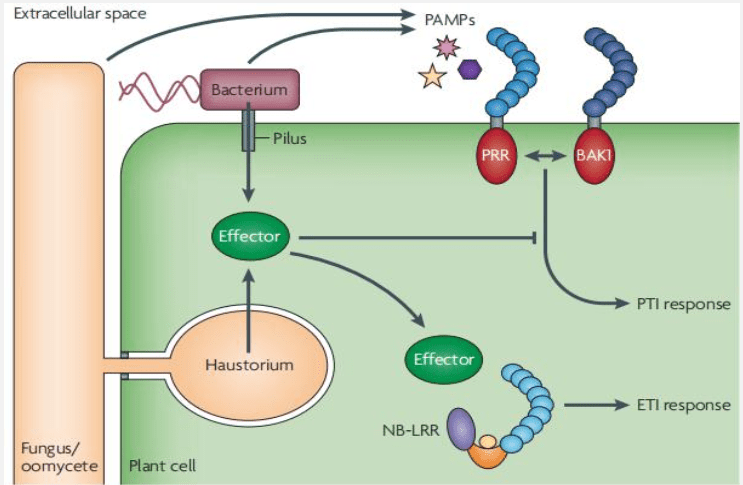
Plant responds to infection using an innate immune system.
Metarhizium anisopliae is a fungal insecticide, and conidia is the effective component of its insecticidal activity.
When conidia contacting and attaching to cockroach, it germinates and penetrates the cockroach body walls; then invades into the body, grows and reproduces rapidly in the blood of the cockroach, and compete for the nutrients with the tissues of cockroach, making them weak and stop feeding.
At later stage, the fungi secretes toxins, which affects the central nervous system of cockroach, destroys its various organs, and dehydrates its tissues, then causes death of cockroach.
The hyphae of Metarhizium anisopliae in the dead cockroach extend through the internode membrane and produce conidia.
The conidia continue to infect other pest individuals through contact infestation or air-borne and wind diffusion, and form repeated infestation in the roach population.

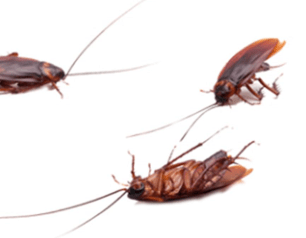
The effective component of Metarhizium is conidium. Conidia adhere to the pest, then the hyphae invade and grow rapidly in the pest body, invading various tissue through blood and lymph circulation. Toxins are secreted, effecting the pest’s central nervous system and destroying the integrity of the cell structure. Consequently, the pest will die because of tissue dehydration.
The hyphae in dead pests can extend out of the body and produce conidia. Conidia continue to infect other insects through contact infection or wind diffusion, causing repeated infections in pest population.
In general, when some of the pests are infected, more and more their family members and friends will be easily brought under control.


 lin-chemical.com