It is the treatments given to the seeds before sowing to improve the germination and vigour potential and as well as to maintain the health of the seed.
Pre sowing seed treatments includes:
Chemical treatments to improve germination and vigour potential.
Insecticidal and fungicidal treatment.
Special treatments
Check our seed treatment products, recipe can be customized,
The term “treated” means “to give an application of a pesticide or subject seed to a process designed to reduce, control or repel disease organisms, insects, or other pests which attack the seed or seedlings.
Maintaining the quality of seed is dependent on many environmental factors, some of which are moisture, temperature, humirlity, and storage conditions. Even though these factors are properly accounted for, seed quality may still be reduced by certain seedborne diseases or destroyed by insects and other pests. Research has shown that treating seed with one or more pesticides is the most economical and efficient way to protect seed from these pests and improve seed quality.
Check our seed treatment products, recipe can be customized,
Humic acids are extremely important as a medium for transporting nutrients from the soil to the plant because they can hold onto ionized nutrients, preventing them from leaching away. Humic acids are also attracted to the depletion zone of the plant root. When they arrive at the roots, they bring along water and nutrients the plant needs.
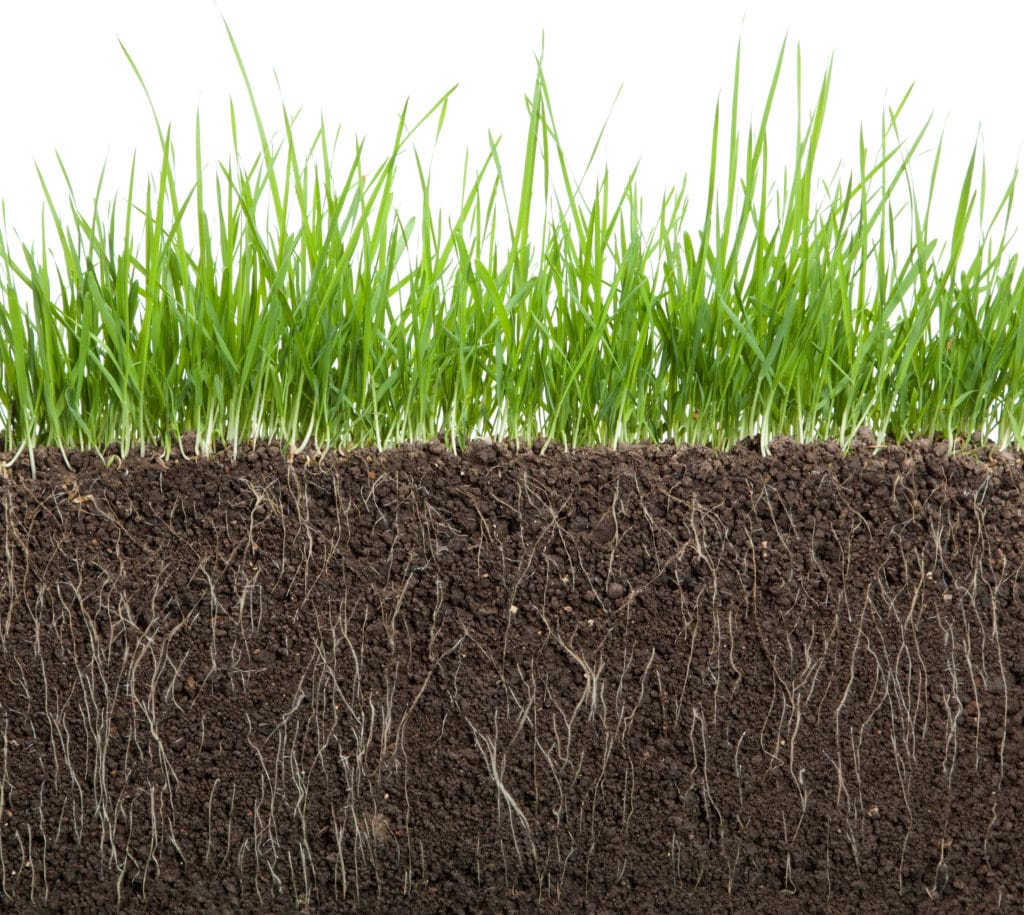
long grass and soil
The depletion zone is the area close to the root of a plant from which the root draws (depletes) nutrients. This zone can become particularly depleted if there is a lack of either humic acid or mycorrhizal fungus. When plants are mycorrhizal, the depletion zone is of less importance. Mycorrhizae have hyphae micro-tubes that can extend much further into the soil than the host plant can reach. They can gather mineral nutrition for the benefit of the host plant from outside the depletion zone. Humus is even more critical for plant nutrient availability and uptake if there aren’t healthy mycorrhizal relationships in the soil.
Positive ions are more easily absorbed by a plant’s root because the root has a negative charge. In other words, the positive (cation) is attracted to negative (the living root). Humic acids hold cations (positive ions) in a way they can be more easily absorbed by a plant’s root, improving micronutrient transfer to the plant’s circulation system. This works because humic acids (ulmic, humic, and fulvic) pick up positive ions and are then attracted to the root depletion zone and to the hyphae micro-tubes of mycorrhizae.
Since the root’s negative charge is greater than humic acid biomolecules’ negative charge, scientists theorize that the micronutrients are taken up by the plant’s root and are absorbed by the plant’s circulation system. Some of the micronutrients are released from the humic acid molecule as they enter the root membrane, but we are now realizing that the plant will also uptake some of the lighter molecular-weight humic acids as well. In essence, the humic substances are chelating such cations as magnesium (Mg2+), calcium (Ca2+), and iron (Fe2+). Through chelation, humic substances increase the availability of these cations to plants.
Some of the most common substances we collectively refer to as “humus” include:
Fulvic acid: a yellow to yellow-brown humic substance that is soluble in water under all pH conditions and is of low molecular weight.
Humic acid: a dark-brown humic substance that is soluble in water only at higher soil pH values and is of greater molecular weight than fulvic acid. Humic acid may remain for centuries in undisturbed soil.
Humin: a black humic substance that is not soluble in water at any pH, has a high molecular weight, and is never found in base-extracted liquid humic acid products.
Adding a small amount of humus to an acre of soil can achieve positive results.
γ-PGA has hydrophilic group -carboxyl which can maintain soil moisture content, improve soil flushing and gap, improve sandy soil, and promoting fertilizer and water preserving capacity of soil.
Some study results,
When γ-PGA made resin was used to deal with seeds, which can increase the germination rate of seeds in drought and water-deficient areas.
Use γ-PGA to directly mix or soak, which can promote the height of the wheat plant and increase the seedling rate.
Simulation of 5.0, 10.0, and 16.5mm rainfall, add 150, 300, and 500ml γ-PGA water immersion to the dry soil, which can increase seedlings and extend the depth of the root system.
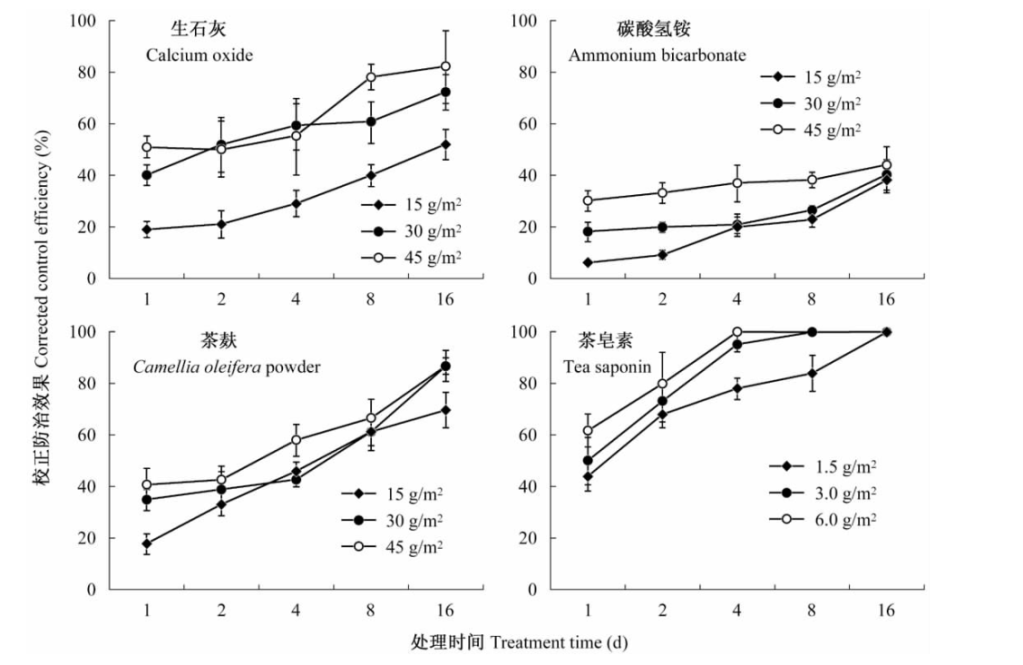
From Evaluation of the controlling Pomacea canaliculata with calcium oxide, ammonium bicarbonate, Camellia oleifera powder and tea saponin by Wang Zhigao1 Tan Jicai1* Liu Jun1, 2 Wang Weiguo …



 lin-chemical.com