
Bacillus subtilis is a common intestinal probiotic, which can prevent pathogenic bacteria from colonizing the intestinal tract, exert “nutritional magic” in places invisible to the naked eye, and can also produce subtilisin, polymyxin, nystatin, short Bacitracin and other active substances can inhibit pathogenic bacteria and enhance immunity, and have a very wide range of applications in medicine and health.
Author: Master
New Launch: MA-BB-TH
MA-BB-TH is a 3-in-1 biological control solution, a combination of biocontrol fungis such as Metarhizium anisopliae, Beauveria bassiana, and Trichoderma harzianum through a special process to give full play to the potential efficacy of the compound ingredients.
Functions:
• Improve soil structure
• Reduce pest damage
• Promote crop growth
• Overcome the obstacles to continuous operation

AG – SAP POTASSIUM POLYACRYLATE with better fineness
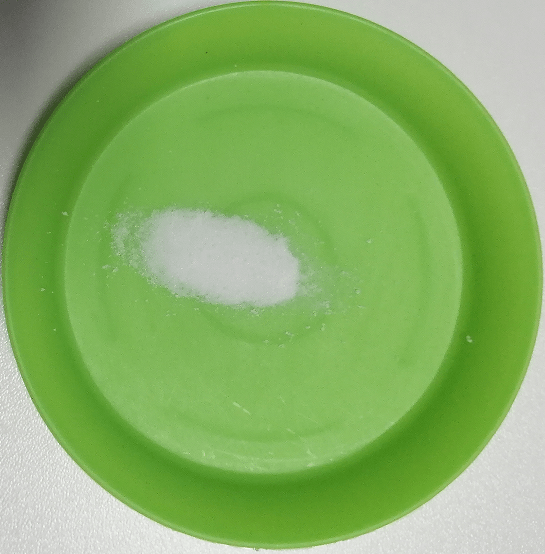
Better fineness can be more flexible in applications, mix with other materials like fertilizers…..
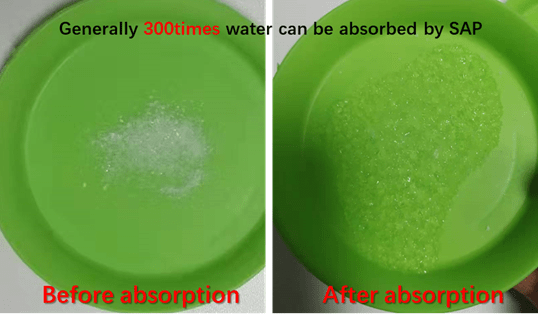
AG – SAP POTASSIUM POLYACRYLATE absorbed with water
Here are five actions countries can take now to prevent infestation
1. Invest in prevention
Prevention is better than a cure. This is particularly true of fall armyworm, as once it has found itself in a new territory, the only thing countries can do is to control its presence and manage the damage. Countries should set up prevention and preparedness plans while the pest is still absent. Check the guidelines to find the important elements to include in this plan. Investing in prevention saves countries technical and financial resources.
2. Evaluate the risk
Fall armyworm causes annual yield losses worth USD 9.4 billion in Africa alone. Based on estimates from 12 African countries, up to 17.7 million tonnes of maize, enough to feed tens of millions of people, could be lost annually on the continent if this pest is not properly prevented and managed. Fall armyworm feeds on more than 80 crops, including maize, wheat, sorghum, millet, sugarcane and cotton with potentially devastating consequences on food security and livelihoods. To prevent this, countries can conduct a pest risk analysis to determine the pathways by which fall armyworm may enter and strengthen the phytosanitary measures to be taken against it.

FAO and the International Plant Protection Convention have developed prevention, preparedness and response guidelines to help countries minimize the spread of the pest and protect their territories. ©FAO/Lekha Edirisinghe
3. Coordinate and cooperate
Every year, over 180 countries from all over the world come together to adopt international standards for plant health and identify measures to ensure that plants and crops entering a country aren’t carrying pests that are subject to quarantine. Once a country knows it is at particular risk of fall armyworm entering, it should update the status of the pest and the list of commodities subject to any phytosanitary import requirements. This action is crucial to trade plants and agri-food products in a safe manner and to avoid pests being introduced with commodities, vehicles or other means.
Currently, countries in southern Europe, the Near East and North Africa and the Pacific regions are particularly at risk of introduction.
4. Stop fall armyworm at borders
Border officials must be well trained to stop fall armyworm by all possible pathways. Luckily, fall armyworm can be spotted and identified without any special equipment. A hand lens and a close eye are enough to detect this pest, even in its early stages. Border inspectors should check the underside of leaves for eggs and use pheromones traps during inspection. Adult worms can be found in commodities that are transported and chilled; laboratory diagnostics can also confirm specimens found.
As one successful example, through phytosanitary inspections of consignments at entry points, the European Food Safety Authority (EFSA) was able to intercept the fall armyworm on commodities entering Europe. These included sweet or hot peppers, eggplants, asparagus, maize, cut rose flowers and other plant species that are not major fall armyworm hosts. According to EFSA estimates, over a million individual larvae could enter the European Union annually through host commodities.

Border officials must be well trained and prepared to spot and stop fall armyworm. Luckily, it can be seen and identified without any special equipment. ©FAO/Lekha Edirisinghe
5. Let others know about the risk
Communication is critical not only to monitor and manage fall armyworm before and after incursion but also to share information and best practices that may help countries take appropriate actions against the pest. Developing pest risk communication strategies and stakeholder awareness programmes is essential to help farmers, growers and the industry in general get ready in case of a fall armyworm introduction. Government agencies and plant protection organizations can provide technical advice on how to identify fall armyworm and the way to report its presence to national authorities.
For example, the plant protection service of Lombardia, Italy has launched a mobile application to engage citizens and professionals together in pest prevention and rapid alert. Through the FitoDetective app, people can learn more about pests, including fall armyworm, and send reports, which will be verified by local phytosanitary inspectors.
Preventing the spread of fall armyworm and other harmful pests to new areas is a global task. By implementing the FAO/IPPC guidelines on fall armyworm prevention, preparedness and response, countries can make a collective effort to minimize food and livelihood losses and protect plant health around the world.
Merry Christmas & Happy New Year!

Those products most welcomed in 2020
—NPV series, Mamestra brassicae NPV and Helicoverpa armigera NPV
—Paecilomyces lilacinus to kill nematodes
—Tea Saponin using as Molluscicide
—Metarhizium anisopliae, Beauveria bassiana and Celangulin as insecticides
—Trichoderma harzianum and Bacillus subtilis as fungicides
—γ-PGA & Chitosan/Chitosan Oligosaccharide for promoting rooting, germination and growth.
Promote growth by Chitosan oligosaccharide
Indoleacetic acid is a very important growth hormone in plants, which is closely related to root development.
The application of chitooligosaccharides can induce the increase of secretion of plant growth hormones such as indoleacetic acid in plants.
The results of the study showed that after using Chitosan oligosaccharide, plant endogenous hormones such as indoleacetic acid and gibberellic acid reached the highest levels within 8 hours.
HUANGLONGBING
Life form: Bacterium
Origin: Asia and Africa
Distribution: Varies, depending on the species
Features: Yellowing, blotchy mottling and unseasonal leaf flushing, leaf drop, dieback of branches .
Pathways: Imported plant propagative material, infected insects
At risk: Commercial citrus varieties & relatives
Huanglongbing (yellow dragon disease), previously known as citrus greening disease, is one of the worst diseases of citrus trees worldwide. It is caused by the bacterial disease Candidatus Liberibacter asiaticus that spreads through the tree canopy, causing decline and then death of the tree.
There is no cure – the only way to stop the disease is to destroy all infected trees and replace them.
The disease huanglongbing originated from China, with its vectors from Asia (Asiatic citrus psyllid) and Africa (African citrus psyllid). Depending on the species, the disease and its vectors can now be found throughout:
- North, Central and South America
- South East Asia, including Indonesia and East Timor
- Papua New Guinea.
The islands of Torres Strait provide a potential pathway for the movement of serious pests into Australia, such as huanglongbing and the Asian citrus psyllid, present in countries to our north.
How to identify Huanglongbing (Candidatus Liberibacter asiaticus)
Everyone needs to keep an eye out for symptoms of huanglongbing.
Huanglongbing is spread by the movement of infected plants and plant propagative material and by sap sucking insects. These insects – the Asiatic citrus psyllid (Diaphorina citri) and African citrus psyllid (Trioza erytreae) – are not present in Australia and are of major concern due to their ability to spread huanglongbing.
- Adults of the Asiatic citrus psyllid are 3-4 millimeters long with brown markings on the wings. When feeding on the veins of the young leaves, they adopt a ‘head-down, tail-up’ position.
- Juvenile psyllids are yellow and commonly found feeding on young, soft shoots.
The African citrus psyllid is similar but larger with a light brown-grey body and black head, and large transparent forewings.

Psyllids
Huanglongbing causes yellowing of citrus plant leaves and in some instances deformed, sour and bitter fruit.
- Symptoms on leaves are subtle and hard to pick but one key sign is a blotchy yellowing that is not symmetrical or mirrored on both sides of the leaf.
- Later, new young leaves are small, upright and yellow, with green bands around the veins.
In well-managed orchards, a yellowing that spreads slowly over the tree and through an orchard is an easily seen sign. The spreading yellowing effect can be especially hard to see in neglected backyard citrus trees growing in poor soils.

Infected trees have a blotchy yellowing that is not symmetrical or mirrored on both sides of the leaf Source: DAWR

Fruit from infected trees can be misshapen or lopsided, and when cut lengthwise, the arrangement of internal tissues may be irregular Source: DAWR
Herbicide efficacy enhancer-Methylation Vegetable oil
Methylation Vegetable oil can improve the spreading area, adhesion and permeability of droplets on the surface of the crop, and promote the absorption and conduction in crop.
Besides, the methylated vegetable oil can prevent the liquid droplets from drying too fast, thereby enhancing the absorption of droplets through pores and the stratum corneum, and enhances efficacy for herbicides.
 lin-chemical.com